
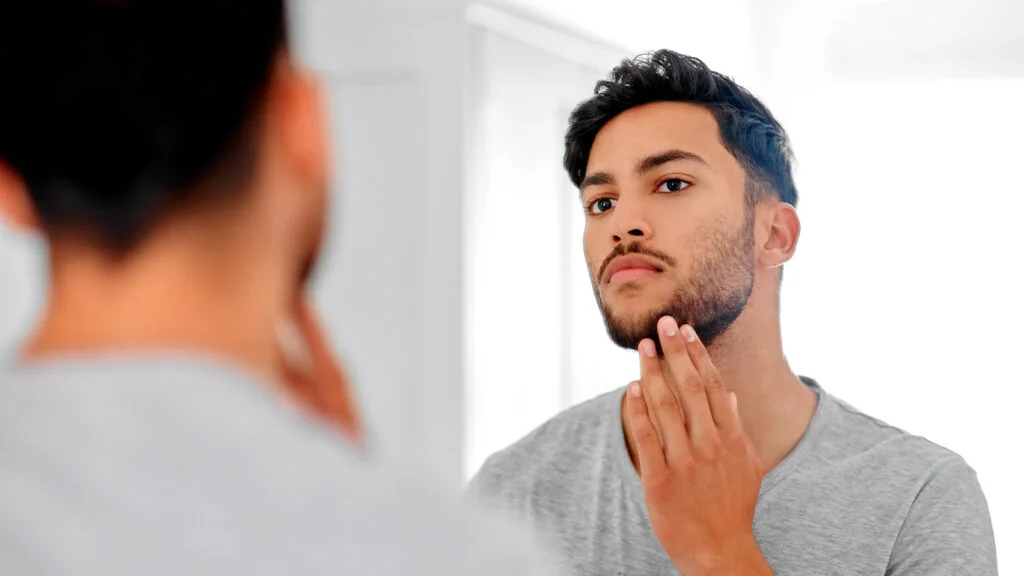
Having facial hair is a natural part of adulthood for many men. However, that does not mean it is always easy to manage. When facial hair grows thick, fast, or unevenly, grooming can quickly move beyond routine upkeep and become a daily obligation. When shaving no longer delivers lasting results and causes ongoing skin irritation, it is reasonable to look more closely at why facial hair behaves this way and what longer-term options exist.
If you’ve reached the point where shaving feels constant and frustrating and are exploring electrolysis permanent hair removal for men in Melbourne, pause. The good news is that established treatment options like electrolysis are available. All in all, electrolysis is the only widely recognised method for permanent hair removal.
Understanding the underlying factors behind coarse facial hair can help clarify why electrolysis is an effective and sustainable treatment over time.
The Limits of Daily Shaving and Short-Term Grooming
Shaving removes hair at the surface of the skin, which is why results are temporary.
With coarse facial hair, regrowth can become visible within hours, particularly along the jawline, chin, and upper lip. In fact, even close shaving does not change how quickly hair grows back or how thick it appears once it emerges.
Over time, repeated shaving can place strain on the skin. Many men experience ongoing redness, razor burn, and skin sensitivity, especially in areas exposed to friction, sweat, or movement.
While grooming products may help to soothe skin temporarily, they do not address the underlying growth pattern of facial hair.
Ingrown Hairs, Irritation, and Persistent Growth
Using temporary hair removal methods on coarse or slightly curly hair is more likely to contribute to ingrown hairs, particularly when shaved frequently. As hair regrows, it can curve back into the skin, leading to inflammation and recurring bumps. These issues are common around the neckline and jaw, where skin is thinner and more reactive.
Moreover, repeated irritation can make facial skin increasingly sensitive over time. For men who shave daily, the cycle of removal, regrowth, and irritation can often become a real hassle.
Why Facial Hair Can Be Thicker in Some Men
Hormonal activity plays a central role in facial hair growth. Specifically, testosterone influences both the density and thickness of hair follicles. In some men, this hormonal activity results in deeply rooted facial hair that grows quickly and remains noticeable even after close shaving.
Importantly, common grooming and temporary hair removal methods do not alter hair growth beneath the skin. They remove hair after it has already formed, which explains why regrowth continues at the same rate regardless of how often you shave.
Electrolysis: When a Long-Term Approach Becomes Relevant
When surface-level grooming stops feeling manageable, electrolysis permanent hair removal is the best solution.
For men looking for a method that works at the source of hair growth, electrolysis offers a clinically established option. In fact, electrolysis is the only permanent hair removal method approved by the FDA with a proven safety and efficacy track record.
Electrolysis permanent hair removal treats each hair follicle individually by inserting a fine probe into the follicle opening and delivering a controlled electrical current. This process targets and destroys the stem cells responsible for hair growth while leaving the surrounding skin structure intact. Over time, treated follicles stop producing hair altogether.
Hair grows in cycles, and therefore, electrolysis treatment is carried out gradually over multiple sessions. This timeline allows facial areas to be treated precisely and effectively, reducing visible beard shadow, and the likelihood of ingrown hairs.
Importantly, electrolysis is also suitable for all hair colours and skin types.
What to Expect During After Electrolysis Treatment
During electrolysis permanent hair removal treatment, mild tingling or brief stinging sensations are common. Temporary redness or slight swelling may occur after a treatment session, particularly on the face. These usually settle on their own within a few hours with appropriate aftercare.
Professional assessment, strict hygiene protocols, and nationally mandated training standards are essential to ensure treatment is delivered safely and predictably.
Conclusion
Having unwanted coarse hair growth does not have to mean lifelong daily shaving and ongoing irritation. Electrolysis permanent hair removal provides a structured, long-term approach to managing coarse facial hair.
For many men, reducing the need for daily shaving and the associated skin irritation can make grooming routines more consistent and manageable.
With proper assessment and realistic expectations, electrolysis treatment can help shift facial hair management from constant upkeep to long-term control.